
The future begins today
«We have an admirable great history,
admirable great ancestors, admirable untold wealth.
And I am convinced that we will have an
admirable great future, great literature and art».
Sh. M. Mirziyoyev
The new stage of Uzbekistan's development was marked by a real breakthrough in all spheres of state and social construction. Liberalization of economic life, increased state support for private business and entrepreneurship, strengthened foreign economic ties, positive integration trends, removal of many bureaucratic barriers and obstacles - all this became a solid foundation for a surge of economic activity of citizens and businesses.
Today the whole world, without exaggeration, observes with interest the truly revolutionary transformations and reforms laid down in the Development Strategy of Uzbekistan.
In ensuring the sustainable progress and competitiveness of the country in the context of increasing globalization, close attention is paid to issues of improving the spiritual and intellectual potential of the nation, especially the youth, as the basis of our future.
Achievement of these goals is impossible without comprehensive support and development of education, culture and art, which, apart from aesthetic influence, fulfill the important mission of spiritual enrichment of the person, thus contributing to the national progress and strengthening the statehood. After all, without relying on this sphere it is impossible to educate a patriotic citizen, a diligent worker, a caring family man who is aware of his responsibility for the fate of the nation and the state. The high level of culture is the key to the formation of a favorable living environment of the nation.
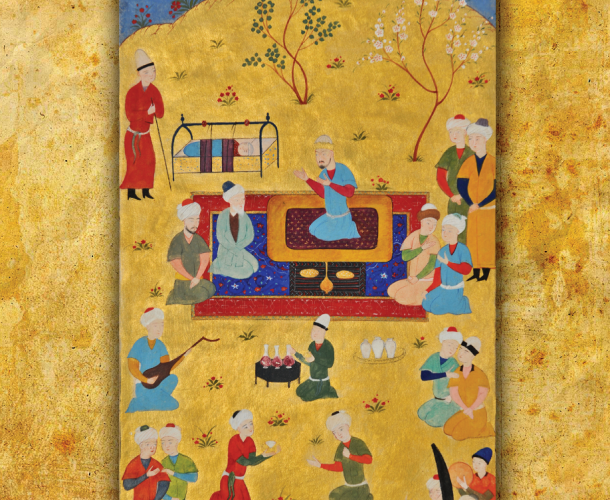
On the other hand, people of creativity most acutely and deeply feel the thoughts, aspirations and concerns of the people. It is they who feel the main nerve of the era and the pulse of time. Culture and art have always played an important role in the destiny of man, helping to develop his aesthetic perception of the world, nurturing artistic taste and love of creativity. The fact that in Uzbekistan a great attention is paid to the development of this sphere, many music and theater contests, festivals and other events are held, is an indicator of the spiritual and moral health of the society.
President Shavkat Mirziyoyev repeatedly spoke about this in his speeches and about how important it is to form socially responsible entrepreneurship in the country, which would support cultural and art institutions, initiate and promote innovative projects and methods in the field of education.
All these tasks are laid down in the mission of the newly established company SOTHIS AEGIS, whose activities are aimed at promoting public policy in the sphere of culture, art and education, promotion of interesting and socially significant projects and initiatives using the best international practices with the involvement of well-known foreign specialists.
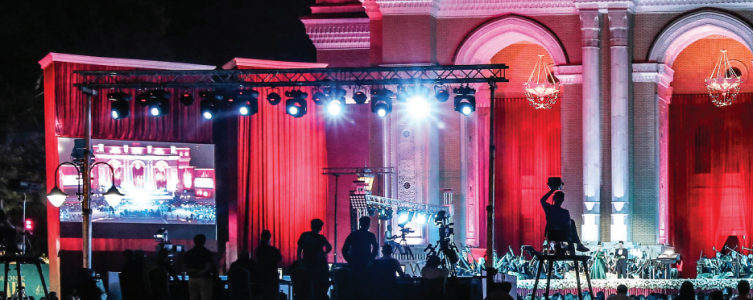
The new stage of modern development of the country, characterized by openness to the international community and liberalization of public life, is impossible without large-scale image-oriented cultural events. The National Symphony Open Air organized by SOTHIS AEGIS in cooperation with the Alisher Navoi State Academic Bolshoi Theater became just such a project. Journalists and experts called this project the main event of 2017 in the cultural life of Uzbekistan, it received a wide positive public response not only in our country, but also beyond its borders.
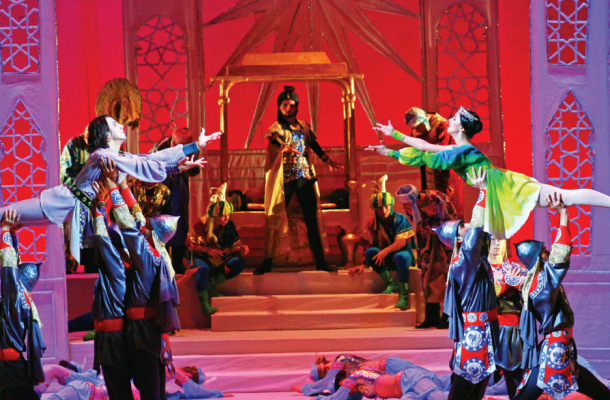
In December of this year, another cultural event will take place under the auspices of SOTHIS AEGIS - a light and music show Open Music with the participation of the Youth Symphony Orchestra of Uzbekistan. It is designed to increase public interest in the national school of classical art. In addition, with the involvement of a foreign architectural firm, a project for the renovation of the State Philharmonic Hall of Uzbekistan has been drafted. A real breakthrough for development of the national educational environment should be a project on establishing the Open Web University that aims at introducing state-of-the-art practices and making higher education accessible to young people, especially those from low-income and remote areas. Details on these and other SOTHIS AEGIS projects are in the continuation of this publication.